

Rainwater harvesting is the key to water independence in Secret Beach, Ambergris Caye. With no centralized water system and a tropical climate, collecting rainwater offers a reliable, cost-effective solution for household and irrigation needs. Here’s what you need to know:
Why Rainwater Harvesting Works for Secret Beach:
- Cost Savings: Reduce or eliminate water bills.
- Reliable Supply: Store water for dry seasons and droughts.
- Eco-Friendly: Conserve resources and minimize environmental impact.
- Climate-Ready: Adapt to decreasing rainfall and growing water demand.
Features of a Good Rainwater System:
- Durable Materials: Corrosion-resistant tanks and fittings (e.g., stainless steel, PVC).
- Adequate Storage: Plan for dry spells with 2–3 weeks of capacity.
- Advanced Filtration: Multi-stage systems (sediment, carbon, UV) ensure safe drinking water.
- Hurricane-Resistant Design: Secure tanks and elevate systems to reduce flood risks.
- Solar-Powered Components: Essential for off-grid living.
Top Rainwater Systems for Secret Beach Homes:

- RainHarvest Pro Modular System: Flexible storage and optional advanced filtration.
- EcoTank Integrated Solution: Large capacity with natural water preservation.
- Concrete Cistern with Gravity-Fed Filtration: Long-term durability and low energy use.
- Secret Beach Homes Custom System: Tailored for the Secret Beach area local conditions with solar-powered options.
Quick Comparison of Rainwater Systems:
| Feature | RainHarvest Pro | EcoTank | Cistern | Secret Beach Custom |
|---|---|---|---|---|
| Storage Capacity | 1,000–5,000 gal | 2,500–8,000 gal | 5,000–16,000+ gal | 3,000–12,000 gal |
| Filtration Type | Multi-stage | Single-stage | Pump | Solar-powered multi-stage |
| Energy Source | Electric or solar | Gravity or low-power | Solar | Solar-powered |
| Price Range | $3,000–$8,000 | $5,000–$12,000 | $8,000–$24,000+ | $6,000–$15,000 |
| Installation Type | DIY or professional | Professional | Professional | Professional included |
| Annual Maintenance Cost | $500–$750 | $400–$600 | $750–$1,000 | $600–$900 |
Investing in a rainwater harvesting system ensures water security and supports off-grid living in Secret Beach. Choose a system that fits your budget, water needs, and property layout for a reliable, long-term solution.
What to Consider When Choosing Rainwater Harvesting in Secret Beach
Designing a rainwater harvesting system for Secret Beach means tailoring it to Ambergris Caye’s unique tropical climate. This environment presents both opportunities and challenges that can influence how well your system performs and how long it lasts.
Local Rainfall and Water Needs
Belize experiences distinct wet (May–October) and dry (November–April) seasons. To ensure your system meets your needs year-round, plan its size and storage capacity based on this seasonal rainfall pattern. Keep in mind that some years may bring unusually long dry or wet periods.
During the wet season, most areas see less than 4 inches (100 mm) of rain per month, while southern regions can receive anywhere from 6 to 16 inches (150–400 mm) monthly. Secret Beach, located on the leeward side of Ambergris Caye, tends to get slightly less rainfall than windward areas. These variations in rainfall directly impact how much water you can collect and store, making proper planning essential.
Weather and Climate Challenges in Ambergris Caye
Ambergris Caye’s marine environment introduces specific challenges for rainwater harvesting systems. Corrosion is a major concern, so using materials like stainless steel or PVC for gutters, downspouts, and fittings is critical. Additionally, your system should be built to withstand high winds, debris, and potential flooding caused by hurricanes.
Climate trends add another layer of complexity. Average annual temperatures in Belize have risen by 0.45°C (0.81°F) since 1960, leading to more frequent hot days and fewer cool nights. Predictions also suggest reduced rainfall in northern Belize, which makes reliable water storage even more important. Other issues, like saltwater intrusion and coastal erosion, highlight the need for dependable freshwater collection systems.
Features of a Reliable Rainwater Harvesting System
To address these challenges, a dependable system for Secret Beach should include the following:
- Adequate storage: Plan for enough capacity to handle extended dry spells.
- Corrosion-resistant tanks: Use materials like food-grade polyethylene, fiberglass, or sealed concrete cisterns. Avoid metal tanks unless specifically designed for marine environments.
- Advanced filtration: A multi-stage system – covering sediment removal, carbon filtration, and UV sterilization – ensures the collected water is safe to drink.
- Hurricane-ready design: Secure tanks with proper anchoring, protect plumbing connections, and elevate the system to reduce flood risks.
- Solar-powered components: Since Secret Beach lacks electricity, solar-powered pumps and UV sterilizers are essential. Adding battery backups ensures uninterrupted operation during cloudy periods.
- Easy maintenance: Choose systems with replaceable filters, accessible tank cleanouts, and simple pump mechanisms to make upkeep manageable in a remote location.
Main Components of a Complete Rainwater Harvesting System
A fully functional rainwater harvesting system includes five key components. For off-grid living in Secret Beach, each part must be durable enough to handle the local marine climate while ensuring a steady water supply.
Roof Collection and Gutter Systems
The roof acts as the starting point of your rainwater collection system. Its material and design directly influence how much water you can collect and the quality of that water. Metal roofs are a top choice because they shed water quickly and resist contaminants. Clay tiles and concrete are also effective but require sturdier gutter systems due to their heavier weight.
The gutter system plays a critical role in directing water from the roof to your storage tanks. For homes in Secret Beach, stainless steel or heavy-duty PVC gutters are better options than aluminum, as they resist corrosion caused by salty air. Proper installation is key – gutters should have a slight slope (about 1/4 inch per 10 feet) to ensure smooth drainage and avoid standing water, which can attract mosquitoes.
To further enhance water quality, consider adding leaf guards and first-flush diverters. Leaf guards keep out debris, while first-flush diverters discard the initial runoff from each rain, which usually contains pollutants like bird droppings and dirt from the roof. Once the water is collected, the next step is safe and efficient storage.
Storage Tanks and Cistern Options
The size and type of your storage tank determine how much water you can save for dry periods, making this a crucial decision. Costs vary widely based on material and capacity, with basic rain barrels starting at $200 and complete cistern systems ranging from $2,000 to $12,000.
Polyethylene tanks, priced between $800 and $6,000 for capacities of 250 gallons or more, are popular for their resistance to UV damage. Concrete cisterns, which cost $1,100 to $6,800 for capacities ranging from 600 to over 10,000 gallons, are another option but may crack in areas with shifting soil. Food-grade plastic tanks are also a good choice, as they help prevent bacterial growth when properly maintained.
For flexibility, modular systems are worth exploring. Companies like Supreme Industries offer expandable options starting at 264 gallons (1,000 liters) and scaling up to 7,920 gallons (30,000 liters) by adding modules. This allows you to start small and increase capacity as your water needs grow. Once stored, the water must be treated to ensure it’s safe for use.
Water Filtration and Purification Systems
Even though rainwater is naturally clean, it can pick up contaminants like air pollution, bacteria, viruses, and PFAS “forever chemicals” during collection and storage. A multi-stage filtration system ensures the water is safe to use.
The first step is sediment filtration, which removes debris like leaves, insects, and twigs before the water enters the storage tank. These filters usually need cleaning every three months and replacement as per the manufacturer’s guidelines.
For disinfection, UV sterilization is highly effective in neutralizing bacteria and viruses without adding chemicals. Solar-powered UV systems with battery backups are especially useful for off-grid homes in Secret Beach, ensuring continuous operation even on cloudy days.
Reverse osmosis systems provide an additional layer of protection by removing dissolved contaminants, including PFAS. While these systems require more energy, pairing them with UV sterilization ensures thorough treatment of both chemical and biological risks.
Water Pumps and Distribution Systems
To move water efficiently, you’ll need a reliable pump and distribution system. On flat terrain, electric or solar-powered pumps combined with pressure tanks can maintain steady water flow. Gravity-fed systems are another option but require elevating the tank by 20–30 feet, which may not be practical for every setup.
Solar-powered pumps are particularly suited for off-grid living. They convert sunlight directly into energy to move water without needing battery storage. Pairing these pumps with pressure tanks ensures you have pressurized water available during nighttime or cloudy conditions.
For homes with electric pumps, pressure tank setups are a great choice. These systems store pressurized water and can be recharged by solar-powered pumps during the day, providing a consistent water supply around the clock.
System Maintenance and Long-Term Durability
Regular maintenance is essential to keep your rainwater harvesting system running smoothly. Inspect gutters, roofs, and storage tanks frequently, especially after storms, to remove debris, secure connections, and ensure everything is functioning properly.
Filters need regular attention – clean or replace them every three months – and storage tanks should undergo a thorough cleaning once a year. Using non-translucent tanks can help prevent algae growth, and all tank openings should be securely covered with screens to keep insects and debris out.
If you live in a hurricane-prone area, preparation is critical. Secure all above-ground components, check anchor points, and have backup power available for essential pumps and UV sterilizers. Installing bypass valves can simplify maintenance and protect the system during severe weather.
Best Rainwater Harvesting Systems for Secret Beach Homes
When it comes to living off-grid in Secret Beach, having a reliable rainwater harvesting system is essential. Below are four carefully designed systems that focus on collecting, treating, and reusing rainwater, all tailored to meet the unique needs of Secret Beach homes.
RainHarvest Pro Modular System
The RainHarvest Pro is built for efficient rainwater collection and reuse. It includes all the essential components of a rainwater harvesting system: a collection surface, a downspout filter, a storage tank, and either a pump or gravity-based distribution system. For those needing cleaner water, optional add-ons like sediment filters, UV disinfection units, and ozone purifiers can be included, making the system versatile for a variety of uses.
EcoTank Integrated Rainwater Solution
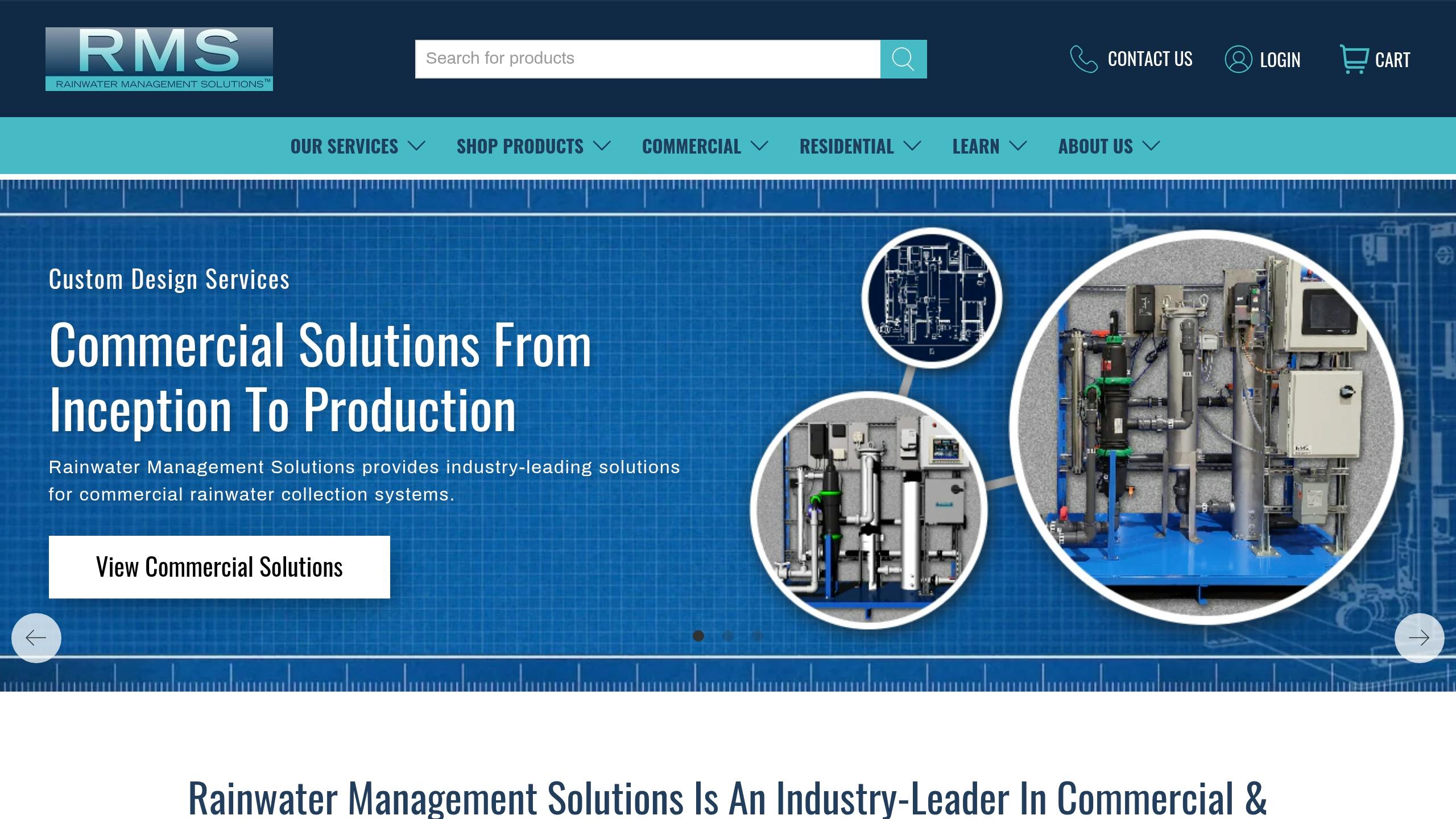
The EcoTank system is perfect for off-grid living, offering a large storage capacity while preserving the natural benefits of rainwater. It’s designed to provide a safe, chemical-free water supply that’s not only ideal for household use but also great for plant health. By conserving groundwater and cutting down on water expenses, this system is both practical and eco-friendly.
Concrete Cistern with Gravity-Fed Filtration
Known for their durability, concrete cisterns are a long-term solution for rainwater storage. These custom-built systems are tailored to fit your property’s layout and specific water requirements. When properly designed and maintained, they can deliver dependable performance for decades, making them a solid choice for Secret Beach homes.
Secret Beach Homes Custom Rainwater System
Specifically designed for the unique coastal environment of Secret Beach, this custom system combines the best features of modular and concrete designs. It can also include solar-powered components and comes with professional installation and maintenance services. Built to handle local conditions, this system ensures efficient rainwater collection and distribution, making it ideal for off-grid living in this area.
Each of these systems offers a unique approach to rainwater harvesting. Choose the one that aligns best with your property’s layout, water needs, and goals for sustainable living.
Side-by-Side Comparison of Rainwater Harvesting Systems
When selecting the best rainwater harvesting system for your Secret Beach home, it’s important to weigh the specifications of each option. Below is a detailed comparison table to guide your decision-making process:
| Feature | RainHarvest Pro Modular | EcoTank Integrated | Concrete Cistern | Secret Beach Homes Custom |
|---|---|---|---|---|
| Storage Capacity | 1,000 – 5,000 gallons | 2,500 – 8,000 gallons | 5,000 – 16,000+ gallons | 3,000 – 12,000 gallons |
| Filtration Type | Multi-stage (sediment, carbon, UV optional) | Single-stage with natural preservation | Gravity-fed multi-stage | Solar-powered multi-stage |
| Energy Source | Standard electrical (700–1,100W pump) | Gravity-fed or low-power pump | Gravity-fed system | Solar-powered components |
| Price Range | $3,000 – $8,000 | $5,000 – $12,000 | $8,000 – $24,000+ | $6,000 – $15,000 |
| Installation Type | Modular DIY or professional | Professional recommended | Professional required | Professional installation included |
| Annual Maintenance Cost | $500 – $750 | $400 – $600 | $750 – $1,000 | $600 – $900 |
While the table provides a quick overview, let’s dive into some of the key considerations that set these systems apart.
Energy Efficiency and Pump Systems
Standard residential pumps typically use about 1.6 kWh per cubic meter of water, with an average annual flow of 14,500 gallons for most Secret Beach homes. For larger systems, adding speed control can reduce energy consumption by up to 40%, making it a smart option for those prioritizing long-term savings.
Filtration Systems and Water Quality
Multi-stage filtration systems, incorporating sediment, carbon, and optional UV filters, deliver better water quality compared to single-stage systems. This is particularly important in the tropical, coastal environment of Secret Beach, where salt air and humidity can affect water purity.
Material Durability and System Design
The materials used in these systems vary in weight and durability, so it’s crucial to consider how well they’ll hold up over time. Additionally, the choice between gravity-fed systems and mechanical pumps impacts both energy costs and ongoing maintenance needs.
Rainfall Collection Potential
A typical 2,000-square-foot home in Secret Beach, receiving about 35 inches of rain annually, could collect more than 43,000 gallons of water. With the average American household consuming around 300 gallons daily (or 109,000 gallons annually), these systems can significantly offset water usage.
Maintenance Tips
Proper upkeep ensures efficiency and longevity. Follow manufacturer recommendations for cleaning or replacing filters, check pumps monthly, and inspect solar components after power outages. Staying on top of maintenance can save you from unexpected repair costs down the line.
Conclusion: Investing in Water Solutions for Secret Beach Living
Securing a dependable rainwater harvesting system is essential for achieving off-grid water independence in Secret Beach. With more than 75% of lots in the area requiring private cisterns, having a reliable water source becomes the backbone of sustainable living in this unique location.
Think about this: a 1,000-square-foot roof can collect nearly 20,000 gallons of rainwater annually. Considering the average person uses about 90 gallons of water per day, a well-planned system can sustain a household for months, even during dry spells. The trick lies in ensuring your storage capacity can support you for 2–3 weeks without rain – a critical factor in the tropical climate, where weather can be unpredictable.
But it’s not just about water collection. Rainwater systems contribute to a more sustainable lifestyle overall. In Secret Beach, eco-friendly features like solar power, efficient design, and even greywater recycling are becoming increasingly popular. Developments such as Aruna Resort and Villas are leading the way, proving that integrating rainwater harvesting with solar energy and organic gardening can create long-term self-sufficiency.
Of course, installing these systems in Secret Beach comes with its own set of challenges. From navigating the island’s unique logistics to meeting town council requirements, the process can be complex – especially for newcomers. That’s why local expertise is invaluable. Professionals familiar with the area can help reduce costs by 10–15% while ensuring your system meets all design and regulatory standards. Their guidance ensures your rainwater solution is both durable and prepared for the future.
“Having an off-grid home in Secret Beach is about creating a sustainable, efficient, and comfortable living space that fits your needs.” – Secret Beach Homes
FAQs
×
How can I choose the right rainwater storage capacity for my off-grid home in Secret Beach, Belize?
Choosing the right rainwater storage capacity for your off-grid home in Secret Beach involves considering a few key factors: local rainfall patterns, your household’s water usage, and the size of your roof’s catchment area. To get started, calculate how much rainwater your roof can collect annually. Multiply the roof’s surface area by the average yearly rainfall for the region. For a family of four, a tank with a capacity of 7,500 to 15,000 gallons is usually enough to get through the dry spells.
Belize’s distinct wet and dry seasons make it essential to plan for peak water usage during those driest months. This means sizing your tank to ensure you’ll have plenty of water even when rain is scarce. Don’t forget to account for your household’s daily water consumption and include some extra room for emergencies or unexpected needs. With thoughtful planning, you can enjoy a steady, reliable water supply all year long.×
How can I maintain a rainwater harvesting system in a coastal environment like Secret Beach to ensure it lasts?
To keep your rainwater harvesting system working efficiently in a coastal setting like Secret Beach, consistent upkeep is a must. Begin by cleaning gutters and filters often to avoid the buildup of salt, sand, and debris, which can lead to blockages or even corrosion. Coastal conditions, with their high humidity and salt exposure, can speed up wear and tear, so it’s important to inspect tanks, pipes, and other components for damage or biofilm.
Make it a habit to check pre-filtration systems frequently to confirm they’re operating correctly, and keep an eye on water quality to prevent any contamination. Opting for corrosion-resistant materials and sticking to a regular maintenance schedule can go a long way in prolonging the life of your system in a marine environment.×
How can I use solar power to make my rainwater harvesting system more efficient and sustainable for an off-grid home?
You can boost the performance and eco-friendliness of your rainwater harvesting system by incorporating solar power. Solar panels can generate electricity to run water pumps, providing a dependable and environmentally conscious way to move and distribute collected rainwater without depending on traditional energy sources.
What’s more, photovoltaic (PV) panels can do double duty by capturing rainwater runoff from their surfaces. This runoff can be channeled directly into your storage system, making the setup even more efficient. By combining solar energy with rainwater harvesting, you can cut energy costs, conserve natural resources, and enjoy a sustainable off-grid lifestyle – an excellent choice for homes in remote locations like Secret Beach, Belize.